By continuing to use this site, you agree to the use of cookies in accordance with our privacy policy.

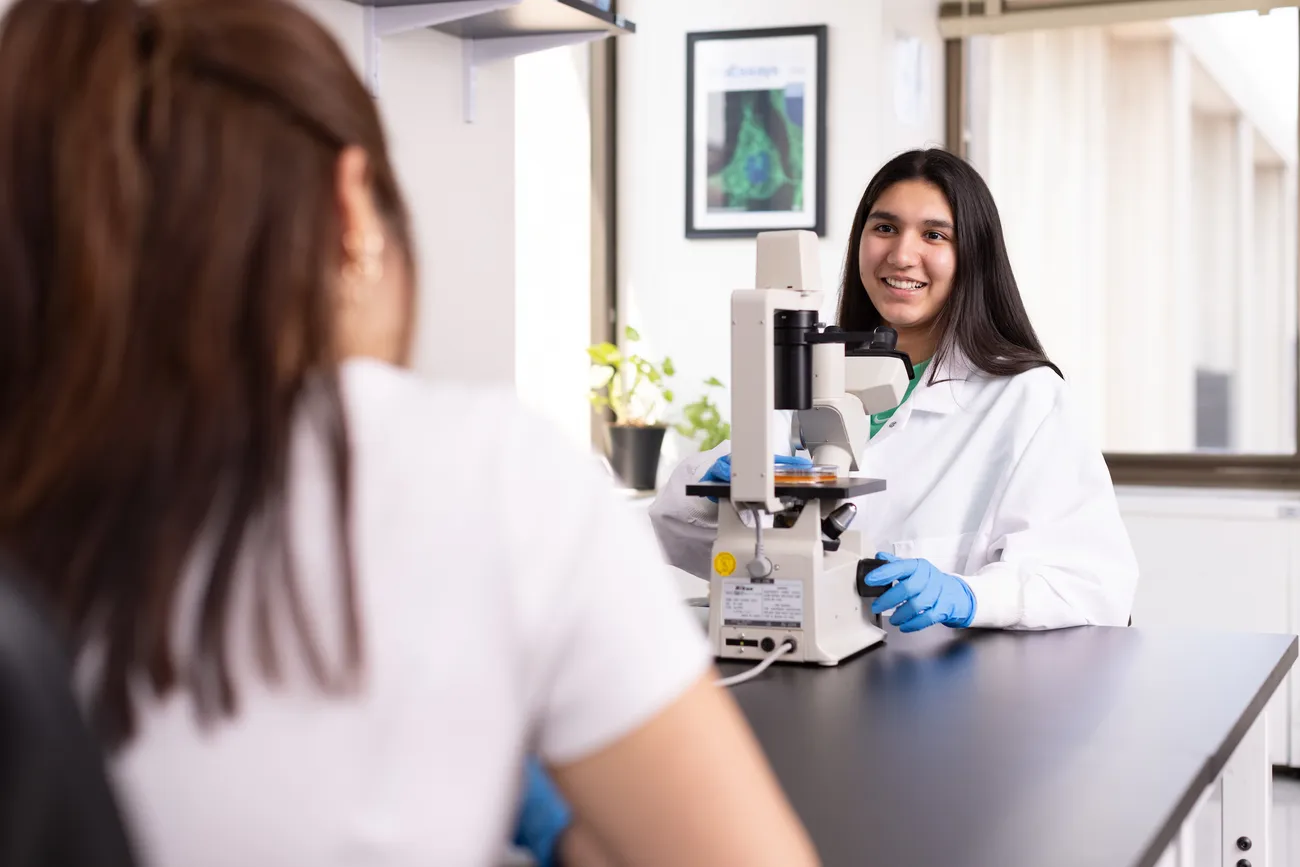
Research student working in laboratory.

Research Facilities

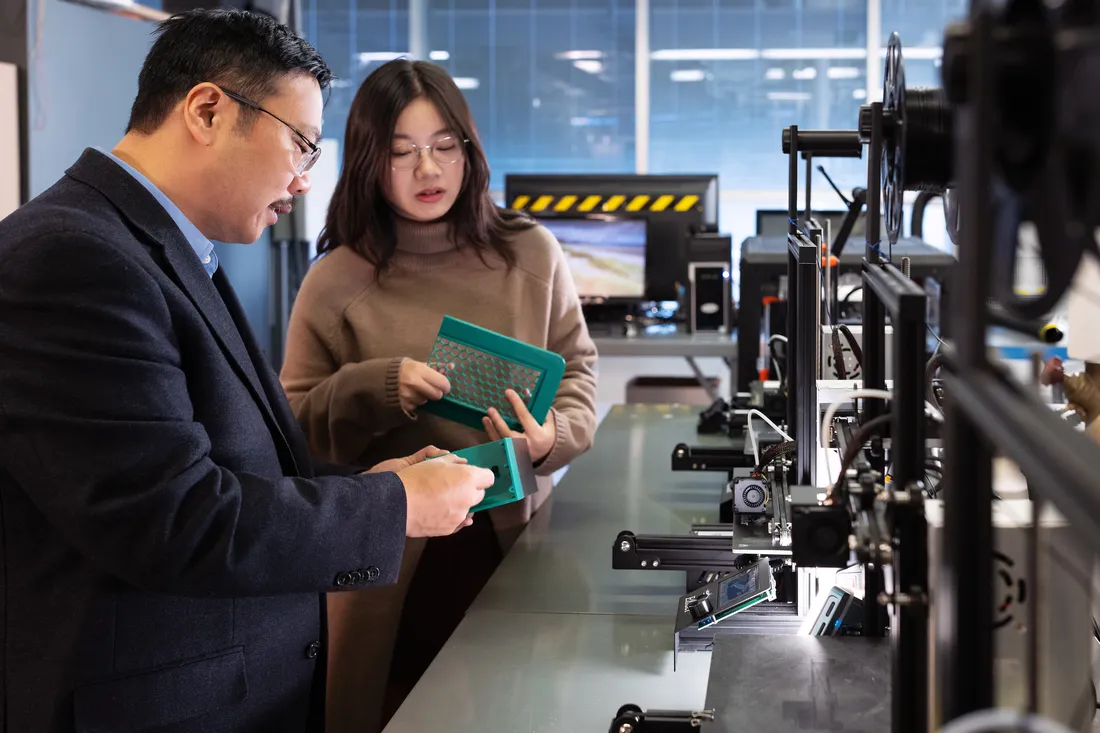
Discover our state-of-the-art research facilities equipped with the latest technology and resources, providing students and faculty with an exceptional environment for groundbreaking research.

Cutting-Edge Research Facilities that Accelerate Innovation

From innovative technologies to collaborative spaces, our facilities provide an ideal environment for discovery and exploration across a wide range of disciplines.

  • State-of-the-art laboratories: Our research laboratories are equipped with the latest technology and resources to support our faculty and students in advancing their research programs.
  • Collaborative research centers: Interdisciplinary research centers and institutes facilitate collaboration among faculty, students, and external partners to foster innovative initiatives.
  • Access to specialized equipment: Researchers have access to the specialized equipment and facilities required by our scholars to conduct the experiments and studies that push the boundaries of knowledge.

Among our faculty are Fellows of the American Association for the Advancement of Science, National Academy of Engineering, and the National Academy of Inventors.
Explore Research Through Our Various Facilities

  • Blatt BioImaging Center: The Blatt BioImaging Center is a light microscopy core facility that focuses on live cell and enhanced resolution imaging of diverse model organisms ranging from cells to organoids and whole organisms.
  • Research Computing: The University provides researchers with access to high-performance computing clusters, empowering them to tackle complex computational challenges and data-intensive projects. Research computing at Syracuse University is a collaborative effort between the campus research community and technology groups from across campus. The technology groups include both distributed information technology teams as well as support from Information Technology Services (ITS) which provides research computing infrastructure resources.
  • Materials Research Core Facility: The Materials Research Core is a cornerstone of the research capabilities of BioInspired Syracuse. The facility is an enabling resource for researchers engaged in a wide spectrum of problems, ranging from fundamental studies of the biochemical and physical processes controlling cell functions to the development of new technologies for biomedical applications.
  • Microanalytical Lab: The department of Earth & Environmental Sciences houses the Microanalytical Lab that specializes in microscopes used to determine the structure and composition of materials and natural samples at the microscopic level.
  • Special Collections Research Center: SCRC’s collections span time and format, from cuneiform tablets to digital media, and document the history of Syracuse University and our global society through rare and unique printed materials, photographs, artworks, audio and moving image recordings, University records and more.
  • Qualitative Data Repository: is a dedicated archive for storing and sharing digital data (and accompanying documentation generated or collected through qualitative and multi-method research in the social sciences and related disciplines.
 

Stats and Facts

R1

Top-Tier Research Institution (Carnegie Classification of Institutions of Higher Education)
Learn more about research
40 +

Research Centers and Institutes
$95M +

Expenditures in sponsored research, development, training and other grants in academic year 2024/25
$ 2M

in funding to support undergraduate students engaging in faculty-guided research and creative inquiry.

Every simulation is meant to be an educative challenge, because from the very start they’re going into a really complex human-helping profession in a K-12 school environment. We get into the nitty-gritty of what it is to be a teacher in the real classroom and the real school

Professor Ben Dotger Director of the Center for Experiential Pedagogy and Practice School of Education
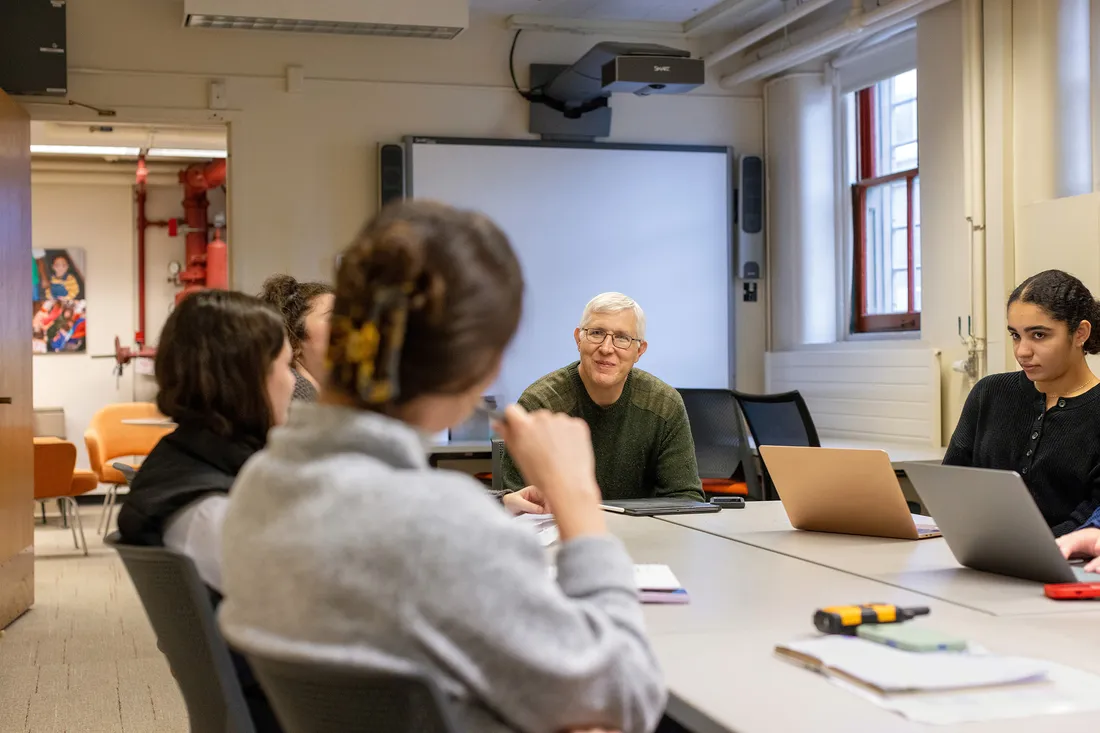
Professor Ben Dotger sitting at a classroom table, talking to students.
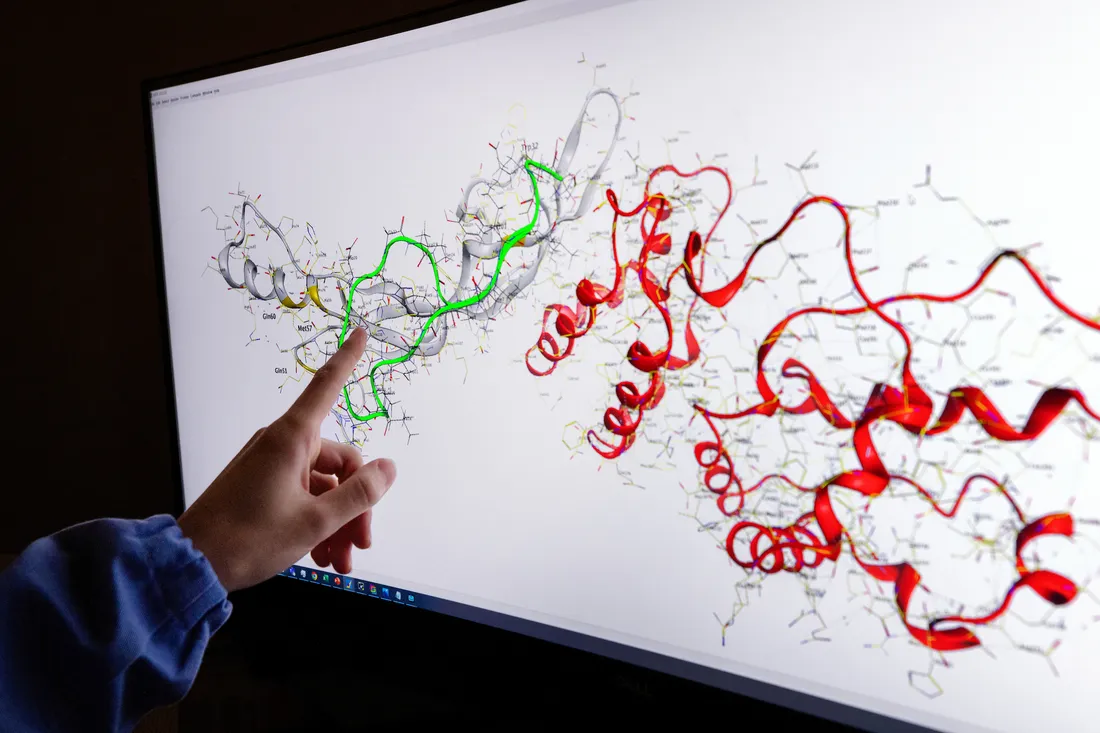
Person pointing at a screen.
Teacher and student working together in lab.
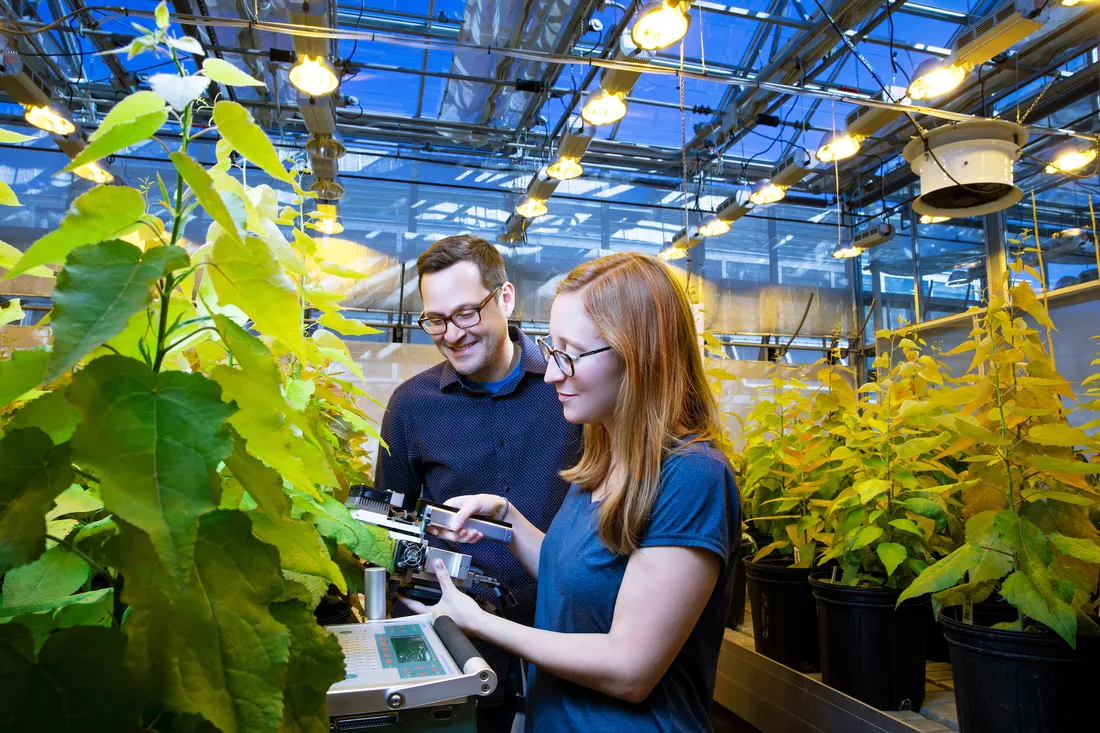
People observing plants in a greenhouse.