- Professor Carlos Castañeda studies the effects of aging on proteins in cells and molecules.
- He’s using a $2 million federal grant award to examine the link among damaged proteins, protein quality control mechanisms and neurodegenerative disease.
- Castañeda aims to develop therapies to restore or enhance the brain cell’s ability to remove toxic proteins.
It’s said that aging is not for the faint of heart. “It’s also hard on the body,” adds Syracuse University researcher Carlos Castañeda.
An associate professor of biology and chemistry in the College of Arts and Sciences, he studies the effects of aging on proteins in cells and molecules.
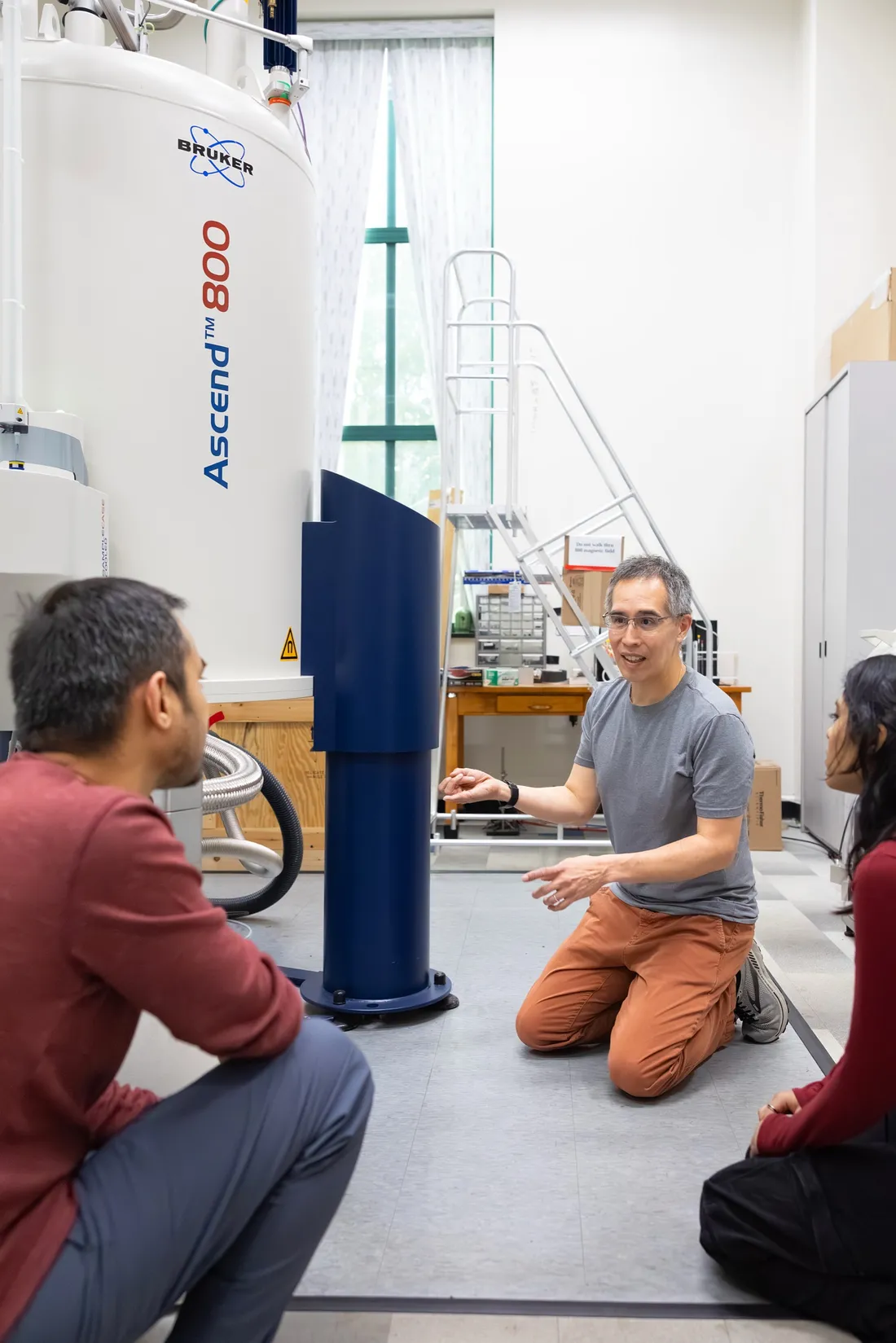
Associate Professor Carlos Castañeda uses a variety of research instruments, like this nuclear magnetic resonance (NMR) spectrometer at the SUNY College of Environmental Science and Forestry. He’s joined by postdoctoral researcher Nirbhik Acharya and sophomore Samiha Dhar, members of his lab at Syracuse.
“When cells are young and healthy, they can do almost anything, including monitoring and managing damaged proteins,” says Castañeda, pointing out that proteins are the cell’s “workhorses.” “That changes with age.”
Castañeda explains that a single cell contains tens of millions of protein molecules. Each molecule, in turn, consists of one or more chains of amino acids.
“It’s the twisting and folding of these 3D chains”—a millisecond process known as protein folding—“that gives each protein its distinct shape and function,” he says.
A routine process, protein folding doesn’t always go as planned. Environmental stress factors, like heat and pressure, can disrupt proteins from adopting their correct functional shape—a phenomenon known as misfolding.
One way that cells manage this stress is to sequester proteins into tiny protein droplets, or condensates, in the cell’s cytoplasm or nucleus. Among the functions of condensates is to oversee the degradation of misfolded proteins.
“Sometimes, older condensates harden into sticky clumps,” says Castañeda, noting that most functional cells in the body turn over every 90 days. By contrast, neuronal cells last a lifetime, making protein quality control important for the brain. “When [condensates] can’t do their job, damaged or misfolded proteins accumulate.”
Dr. Castañeda is a wonderful mentor. He’s given me endless opportunities to improve my research skills and build a resume for future experiences.
Mallory Brown ’27
This creates a domino effect in which the cell becomes toxic or inactive, resulting in neurodegenerative disease, like amyotrophic lateral sclerosis (ALS), frontotemporal dementia (FTD) or Alzheimer’s.
Castañeda has been awarded a five-year, $2 million grant from the National Institutes of Health to uncover the basic science of how these condensates interface with protein quality control mechanisms. The long-term goal of the project, known as the Maximizing Investigators’ Research Award (MIRA), is to discover ways to treat or prevent brain disorders at the micron level.
“On one hand, we use molecular experiments to observe changes in protein structure and dynamics,” he says. “On the other hand, we observe living cells to see how signaling [the process by which cells communicate with and respond to their environment] affects condensate behavior.”
Blending Methods and Modeling
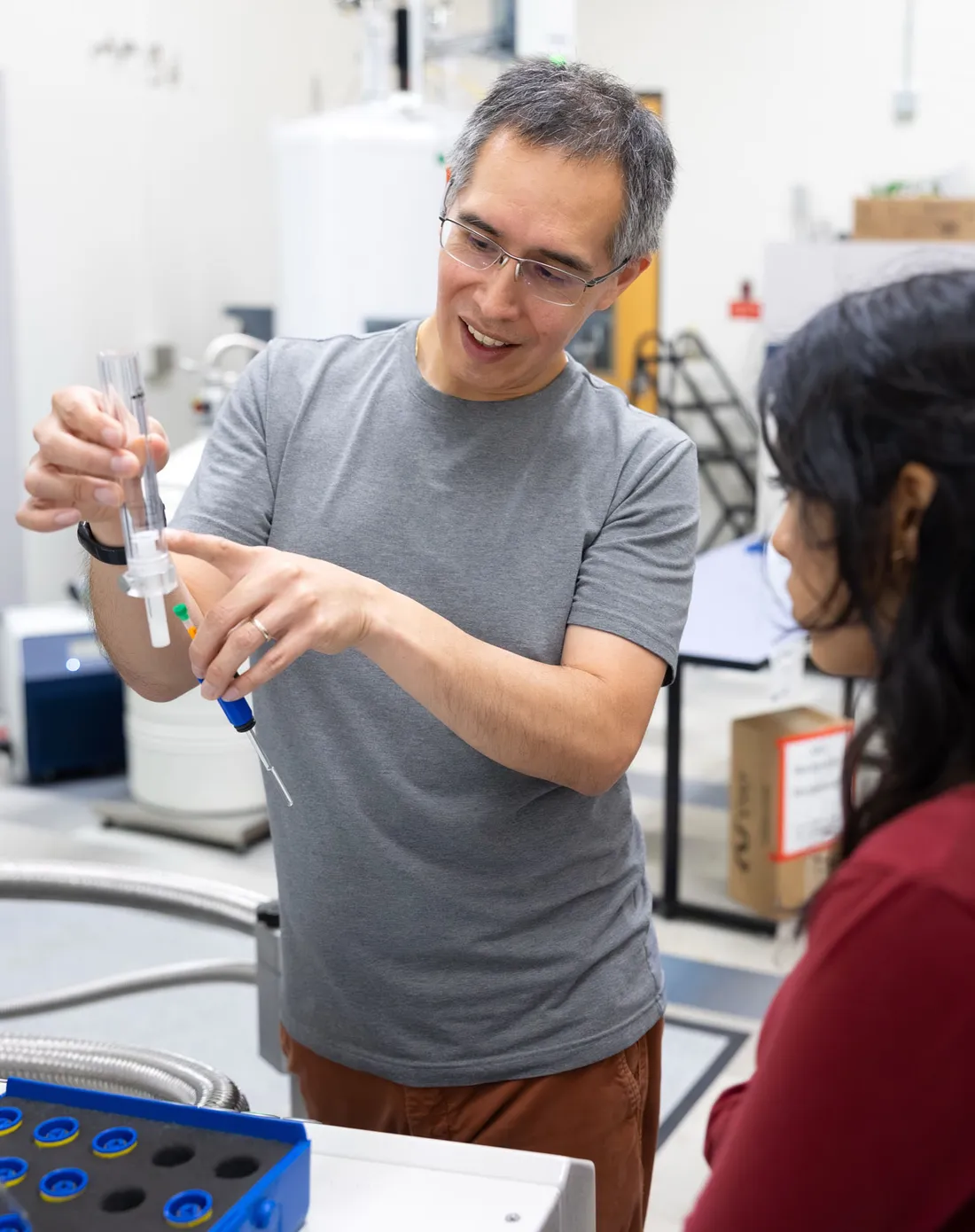
“We blend experimental biochemical methods and molecular biophysics with computational modeling,” says Castañeda, who is jointly appointed to the biology and chemistry departments.
On the second floor of Syracuse’s Life Science Complex, Castañeda, along with his students and lab manager, Thuy Dao, examine protein management amid an array of lab benches, liquid chromatography machines and spectrophotometers.
“We blend experimental biochemical methods and molecular biophysics with computational modeling,” says Castañeda, citing nuclear magnetic resonance (NMR) spectroscopy—which causes atomic nuclei to emit signals that correspond to their chemical environment—as one of his favorite techniques.
A Syracuse faculty member since 2014, he excels at teaching, research and service. His accolades include a five-year National Science Foundation CAREER Award, two ALS Association grant awards and a recent appointment as a designated mentor for the University’s Beckman Scholars Program.
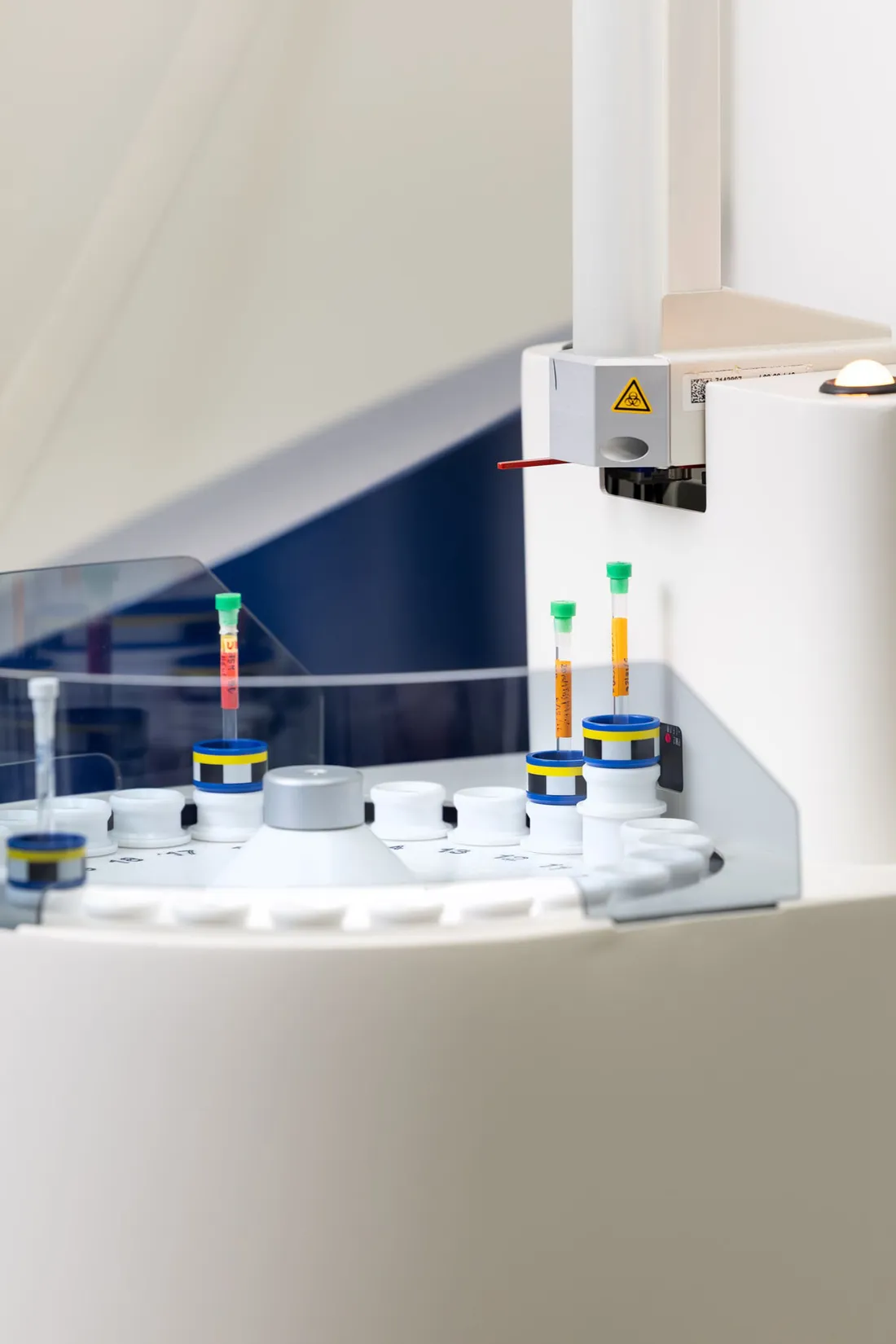
A carousel tray of one of the NMR spectrometers that Castañeda and his collaborators use to probe proteins. Such systems operate on superconducting magnet technology.
“I’m fascinated with the link between condensates and protein quality control,” says Castañeda, whose collaborators include the University’s BioInspired Institute (where he co-leads the Function Without Form group with chemistry professor Shahar Sukenik), the Blatt BioImaging Center and the NMR spectroscopy team at the SUNY College of Environmental Science and Forestry.
He explains that the human body is filled with thousands of different types of proteins, which are broadly categorized into seven or eight groups. One of these groups includes shuttle proteins, which move proteins to different quality control systems in the cell.
The MIRA project, for example, focuses on several families of shuttle proteins, including one called ubiquilins (UBQLNs). Castañeda theorizes that UBQLNs work with condensates to determine if misfolded proteins should be repaired, recycled or removed from the cell for good.
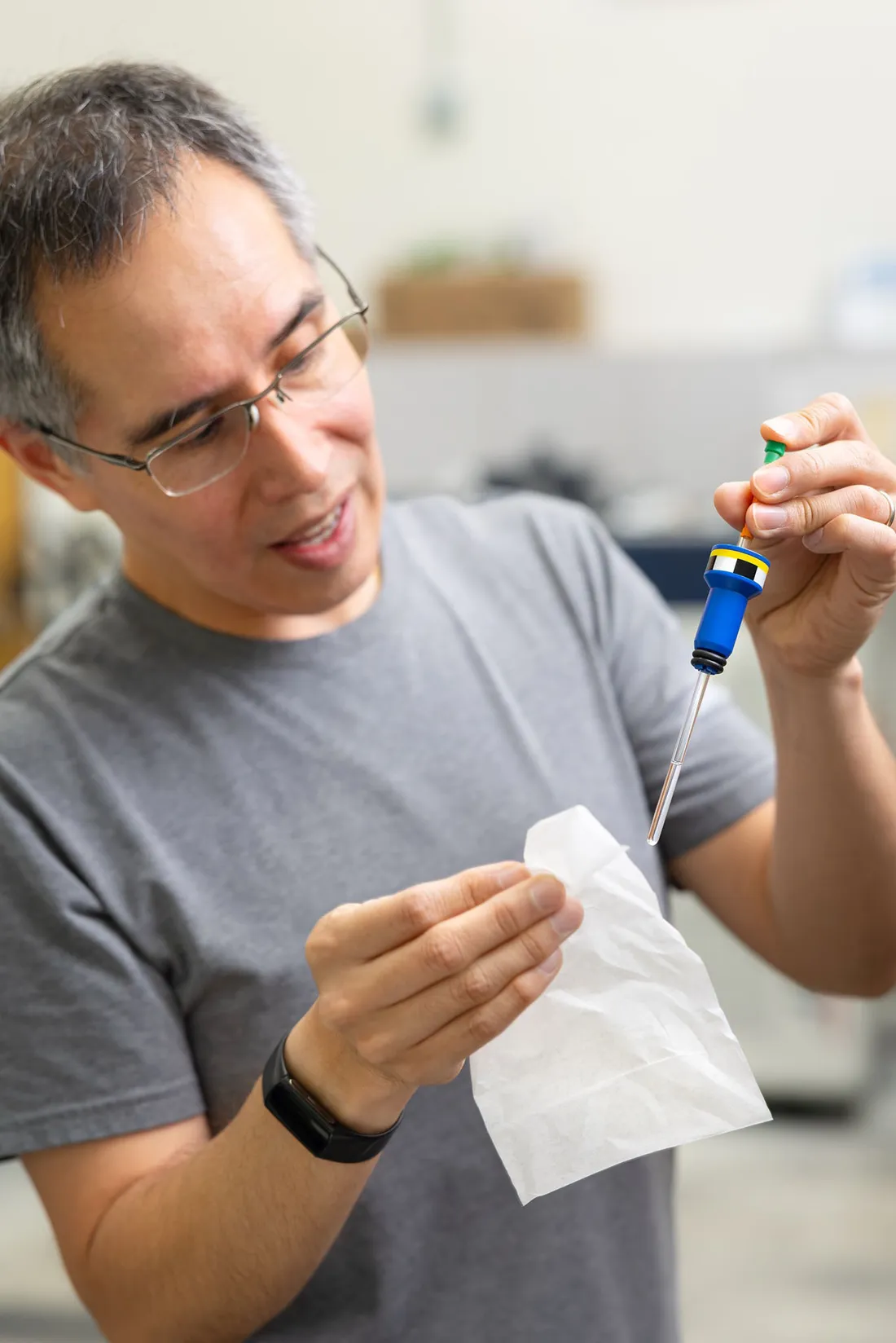
Castañeda is using a $2 million grant award from the National Institutes of Health to study how condensates interface with protein quality control mechanisms.
“Studying UBQLNs in yeast and plants has taught me a lot about shuttle protein behavior,” says Castañeda, a member of Syracuse’s Disordered Proteins faculty cohort. “I’ve translated some of these findings to human UBQLN proteins associated with ALS and FTD.”
Mallory Brown ’27, a double major in neuroscience and statistics, has assisted him in multiple research projects, including a new one devoted to domesticated retrotransposons, which are proteins that interact with a shuttle protein called UBQLN2.
One of her papers was picked up by The Crown, the honors program’s undergraduate research journal, and led to her receipt of a 2026 Goldwater Scholarship.
“Dr. Castañeda is a wonderful mentor,” says Brown, who is currently helping him determine the biomolecular structure of retrotransposon proteins. “He’s given me endless opportunities to improve my research skills and build a resume for future experiences.”
A Marathon, Not a Sprint
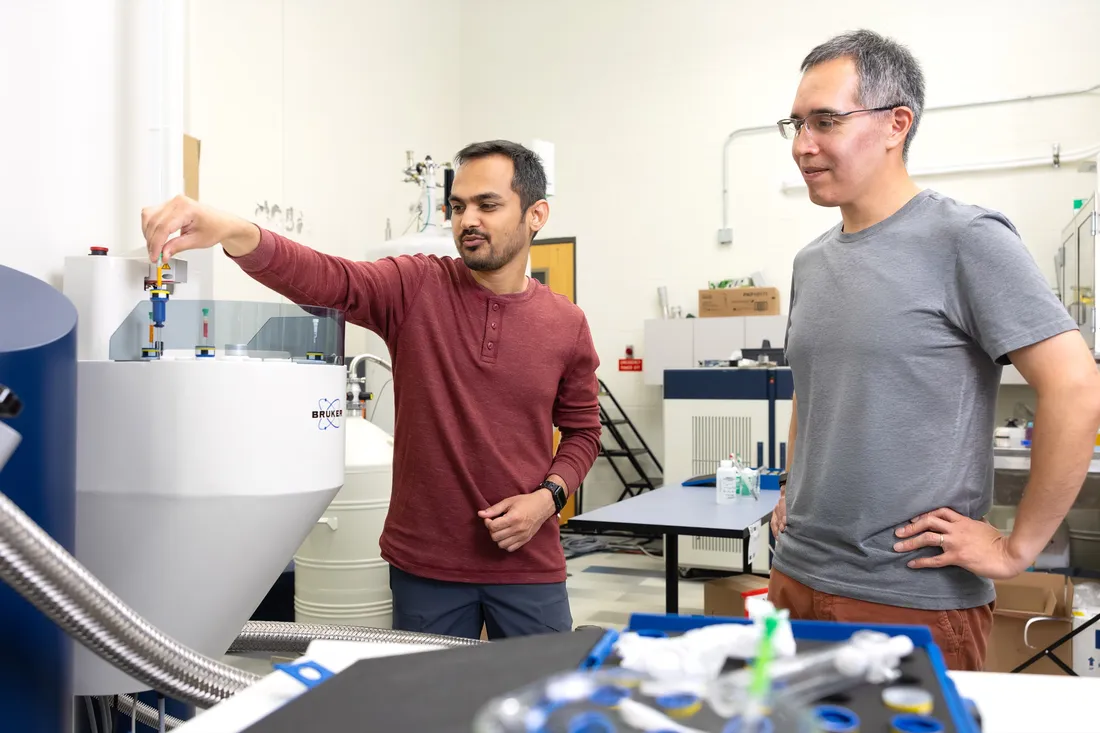
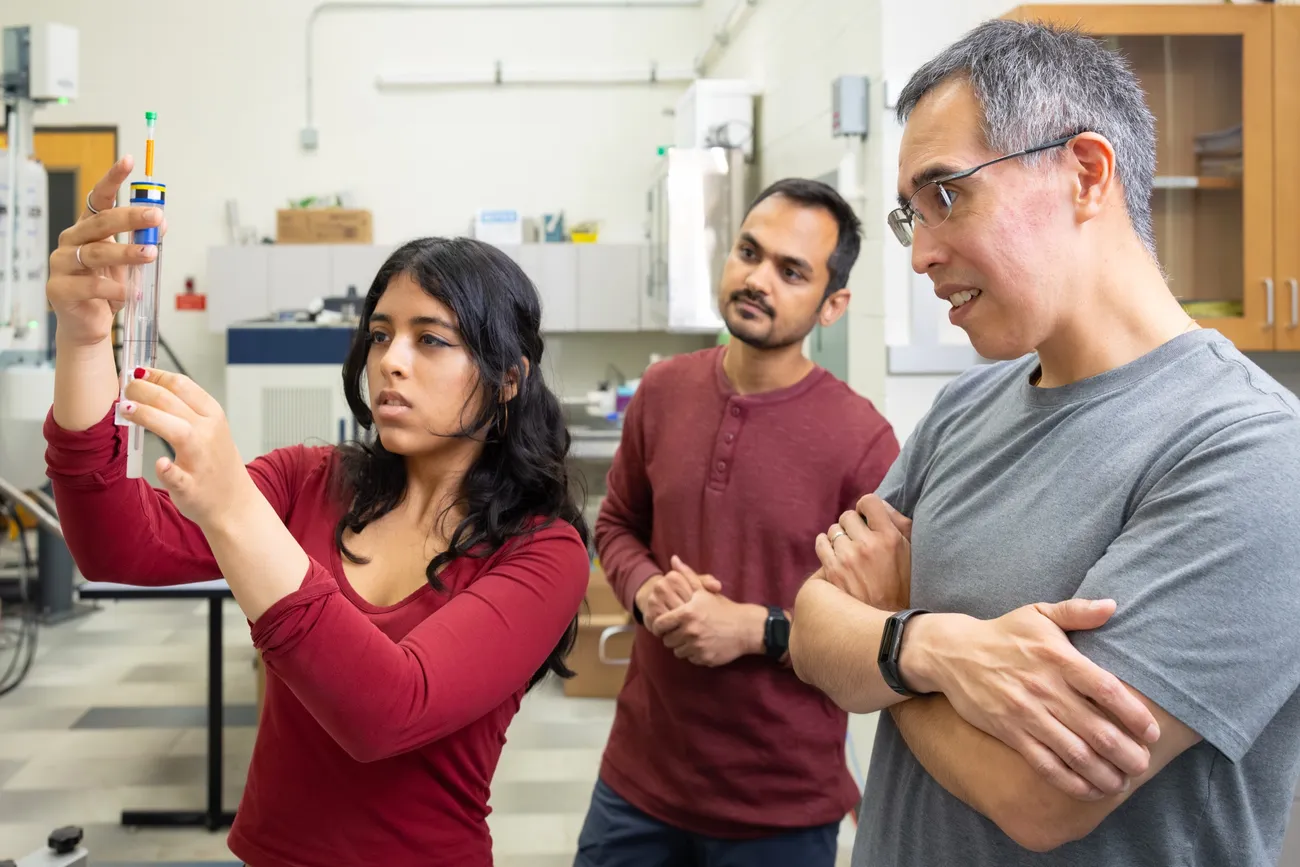
Acharya (left) and Castañeda use biochemical, biophysical and cell biology techniques to investigate protein structure and function.
Castañeda found himself at Syracuse after graduate studies at Johns Hopkins University and a postdoctoral fellowship at the University of Maryland.
His pioneering research into ubiquitin signaling—a series of events involving small, regulatory proteins—quickly put Syracuse on the UBQLN map.
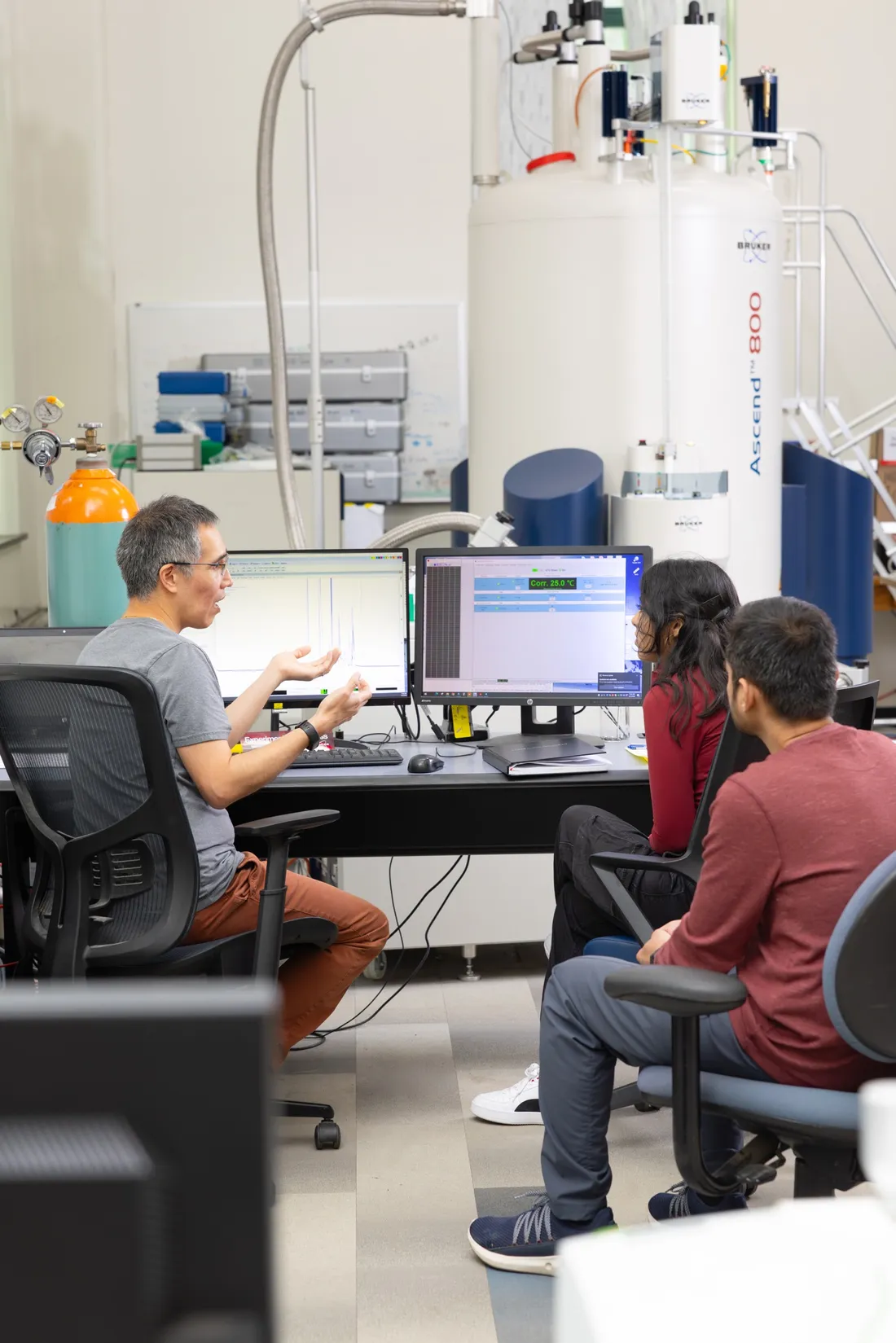
“Translational research—moving findings from laboratories to clinical trials—can set new standards for care,” Castañeda says.
Castañeda has since turned his attention to condensates. He recently published a piece about protein interactions important to biomolecular condensation for the prestigious EMBO Journal (Springer Nature, 2026). Castañeda also co-authored with postdoctoral researcher Anitha Rajendran a review on the role of condensates for protein quality control for Trends in Biochemical Sciences (Cell Press, 2025).
No surprise that Castañeda has earned the respect of students and peers alike. “He’s an inspiring role model,” adds Brown, who has co-authored with postdoctoral researcher Billy Haws G’22 a paper on condensates that’s on the preprint server bioRxiv.
Working alongside Sukenik and biology professors Li-En Jao and Heather Meyer, Castañeda seeks to find new ways to prevent protein misfolding and new therapies to restore or enhance the cell’s ability to remove toxic proteins.
“This kind of translational research—moving findings from laboratories to clinical trials—can set new standards for care,” he says. “It’s a slow, nonlinear process that’s more of a marathon than a sprint. Patience is everything.”